
Daily Hydration & Physiological Balance
Science overview of how daily water intake supports metabolic processes, cognitive function, and physical performance.
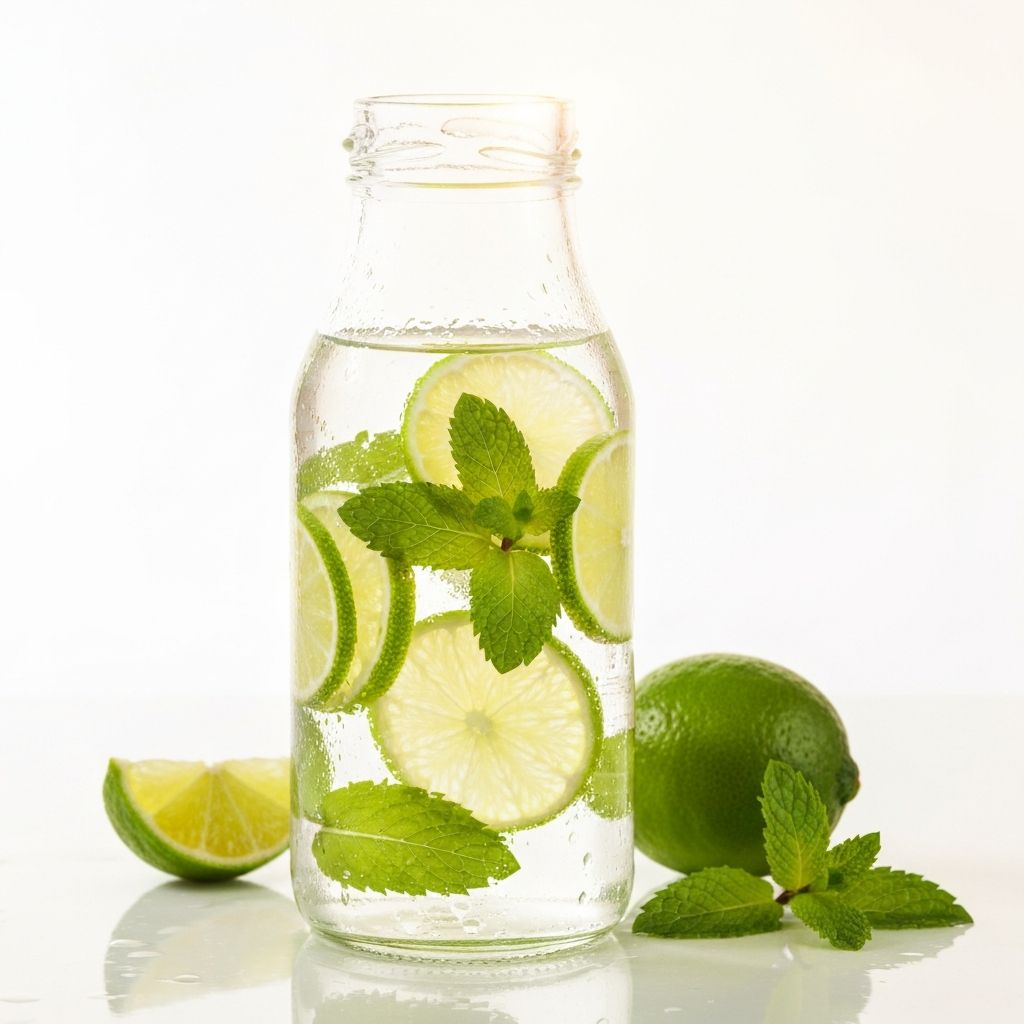
Water's Critical Physiological Roles
Water comprises approximately 50-60% of adult body mass and participates in virtually every metabolic process. Daily hydration supports thermoregulation through perspiration, maintains blood volume and pressure, enables nutrient transport, facilitates waste elimination, and lubricates joints. Water acts as a solvent for nutrients and minerals, allowing cellular utilisation. Adequate daily hydration is essential for sustaining these continuous physiological functions.
Daily Water Distribution and Cellular Function
Body water distributes across intracellular spaces (inside cells) and extracellular spaces (blood plasma and tissue fluid). Daily osmotic balance between these compartments depends on electrolyte concentrations managed by your kidneys. Water freely crosses cell membranes following osmotic gradients, maintaining cellular function. This daily fluid balance requires consistent water intake and electrolyte consumption through food and beverages.
Nutrient Transport
Water serves as the transport medium for dissolved nutrients throughout your body daily. Bloodstream delivery of glucose, amino acids, and vitamins depends on adequate hydration.
Temperature Regulation
Daily perspiration enables heat dissipation during physical activity and environmental heat exposure. Adequate hydration supports this thermoregulatory capacity throughout daily variations.
Cognitive Function
Brain tissue is approximately 73% water. Daily hydration status directly affects attention, memory, and cognitive performance, especially during mental tasks.
Metabolic Efficiency
Enzyme function and metabolic reactions require aqueous environments. Daily water intake supports efficient energy production and nutrient utilisation.
Waste Elimination
Kidneys require adequate daily water to dilute urine and eliminate metabolic waste products. Insufficient hydration concentrates waste and stresses renal function.
Joint Lubrication
Synovial fluid bathing joints contains substantial water. Daily hydration supports joint mobility and cushioning, particularly during physical activity.
Daily Hydration Requirements Vary
Water needs vary significantly based on climate, physical activity level, diet composition, individual metabolism, and health status. Dry climates increase evaporative losses. Physical activity increases fluid requirements through perspiration. High dietary sodium and protein intake slightly increase water needs. Individual metabolic variation means no universal daily water target suits all individuals. Rather than rigid daily intake targets, attention to hydration cues provides practical daily guidance.
Thirst as a Daily Hydration Signal
Thirst serves as your body's primary daily hydration indicator. Osmoreceptors in the brain detect blood osmolarity changes, triggering thirst when hydration status declines. Thirst becomes increasingly sensitive as dehydration progresses. Responding to thirst cues throughout daily life maintains adequate hydration for most individuals in typical conditions. Exceptions include certain medications or medical conditions affecting thirst mechanisms, or environmental conditions causing rapid fluid losses exceeding thirst response.
Urine Color as Daily Hydration Feedback
Urine colour provides practical daily feedback on hydration status. Pale yellow urine typically indicates adequate hydration, while darker yellow suggests concentrated urine indicating dehydration. Urine colour varies throughout daily life based on fluid intake timing and volume. Regular monitoring of urine colour offers simple daily assessment without numeric intake targets. Individual variation in urine concentration means the same hydration status can appear different among people.
Fluid Intake and Absorption Patterns
Liquids absorbed more rapidly than foods containing water. Daily fluid intake is absorbed throughout the digestive tract, particularly in the small intestine. Electrolyte content affects absorption rate—pure water absorption differs from electrolyte-containing beverages. Alcohol and caffeine have mild diuretic effects, slightly increasing daily water losses. Food consumption provides approximately 20% of daily water intake in typical diets, with the remainder from beverages.
Individual Responses to Daily Hydration
Physical performance, cognitive function, and subjective well-being respond sensitively to daily hydration status. Even mild dehydration (1-2% body weight loss) can impair cognitive performance and physical endurance. Dehydration tolerance varies among individuals based on acclimatisation and fitness level. Adequate daily hydration supports optimal function across physical and cognitive domains, though individual hydration requirements vary considerably.
Informational Note
This article explains hydration physiology for educational purposes. Individual daily water needs vary substantially. Determining adequate daily hydration should consider personal factors, environmental conditions, and individual responses to daily fluid intake.